Psychology of Scents

what are synthetics

What Are Synthetics in Perfumery: The Technical Deep-dive

So, what are synthetics in perfumery? In the simplest terms, synthetics in perfumery refer to chemical compounds specifically designed and crafted for fragrance creation, allowing technicians to bottle memories, emotions, and atmospheres by emulating and innovating smells that include ‘{keyword}’. Synthetics are widely valued for providing an approach to access an exceptional variety of scents that you can’t always capture through natural extraction processes and sustain the world’s ecosystem by reducing over-harvesting of plants and flowers used for essences.

Read More
spring fragrances

Spring Fragrances: Chemical Composition Guide

Spring fragrances are more than just a pleasant-smelling armory—they symbolize rejuvenation, expression, and marvels nestled carefully from micron-holt age essence strikes again. With the arrival of spring, we see a transition from heavy, musky winter scents to the lighter, breezier aromas that {keyword} fragrances introduce.

Read More
natural scents

Natural Scents: A Scientific Research Guide

Ever wonder why certain {keyword} elicit memories or feelings so vividly? Or how sniffing a particular fragrance could potentially improve your mood or memory? Let’s dig into this intriguing world of {keyword} and their scientific underpinnings. Natural {keyword} carry a fascinating blend of science, art, and emotion that influences us deeply. From boosting moods to enhancing sleep, their impact on well-being is profound.

Read More
best summer colognes

Best Summer Colognes 2024: A Scientific Selection for Fresh Fragrances

When choosing the best {keyword} for 2024, trust that it’s not just about personal preference; there’s a bit of science and timing involved. Finding that perfect summer scent perfume involves understanding the chemistry behind fragrance composition and how heat amplifies the evaporation of fragrances. You want a scent that starts strong and doesn’t fade within an hour, with lighter, more volatile notes that will evolve throughout the day. Citrus, aquatic, and aromatic herbal notes excel in the heat for a fresh, crisp vibe.

Read More
scent marketing

The Science of Scent Marketing: How Smells Can Transform Your Business

Scent marketing is a fascinating concept that goes beyond mere aromatherapy and taps into the behavioral science of how smells affect our perceptions and actions. By utilizing the right scent, businesses can set the stage for an unforgettable shopping experience and foster an environment ripe for sales to happen naturally. Scent marketing is like a secret sauce in your marketing mix that can strengthen a brand’s image and encourage customer behavior that ultimately leads to sales.

Read More
perfume testing

A Casual Conversation on Perfume Testing Methods

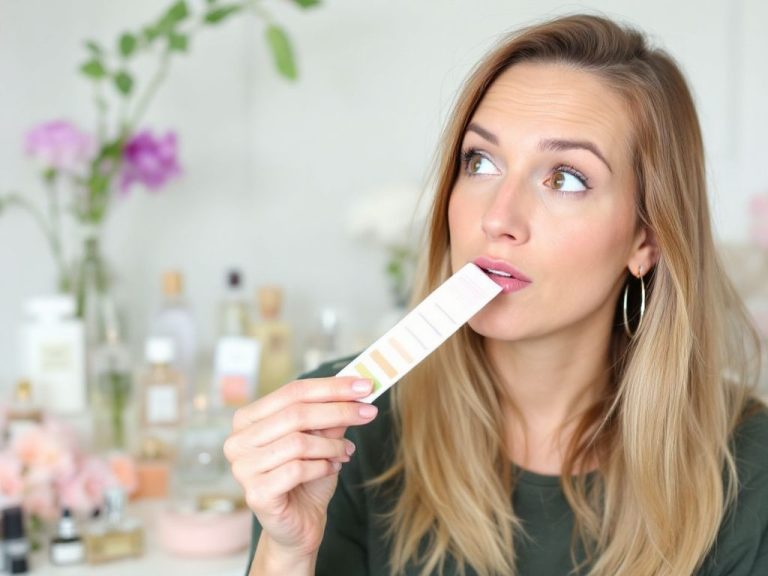
Perfume testing can be a daunting task, but it’s essential for finding the right fragrance that reflects your personal signature. By understanding how perfumes interact with skin chemistry and identifying the different layers within a fragrance, you can make informed decisions when selecting a new scent. {keyword} is a crucial step in this process, as it allows you to evaluate a fragrance’s quality and character. With the right approach, {keyword} can be a fun and enlightening experience that helps you discover new fragrances and develop your own unique sense of style.

Read More
perfume physics

The Physics of Perfume Sprays: The Science Behind Your Signature Scent

Perfume physics is the captivating dance of scent and air that involves some pretty fascinating physics. When you press the nozzle of a perfume bottle, you’re harnessing some fundamental principles of perfume physics. This mist is essentially an atomization process, where liquid is broken into tiny droplets, allowing your fragrance to momentarily take flight.

Read More
wood fragrances

The Chemistry Behind Wood Fragrances: Unlocking Nature’s Aromatic Secrets

The chemistry behind wood fragrances is a complex process that involves understanding the volatile organic compounds (VOCs) responsible for these scents. Chemists wield these compounds to bottle the essence of a forest, creating unique and captivating wood fragrances. Wood fragrances, such as sandalwood, cedarwood, and pine, evoke memories and nostalgia, and their emotional language is rooted in the brain’s olfactory bulb and limbic system.

Read More
scent combinations

Science of Scent Combinations: Unveiling the Secrets of Fragrance Blending

The science of scent combinations explores how various smells interact with each other to evoke emotions and memories. By understanding the basics of fragrance blending, you can craft personalized fragrant experiences that transport you to different times and places. Scent combinations aren’t just about pleasing your nose, they’re about creating an emotional narrative. The art of fragrance blending involves combining different notes to create a harmonious scent that can evoke feelings of calm, refreshment, or sophistication.

Read More
scent memory

The Science of Scent Memories: Unlocking the Secrets of Our Nose’s Hidden Powers

Our sense of smell is so tightly linked to memory that catching a whiff of something can instantly throw us back to a childhood memory. This powerful connection has fascinated scientists, psychologists, and fragrance enthusiasts for ages. The science behind {keyword} is magical, yet there’s loads of science behind it. The connection between scent and memory is unique because the olfactory bulb directly connects to the amygdala and hippocampus, our big emotion and memory centers.

Read More