
Psychology of Scents

perfume chemistry

Understanding Fragrance Solubility: A Chemistry Guide

In the realm of perfume chemistry, fragrance solubility is a crucial concept that affects the stability and longevity of a scent. Solubility is how well a fragrance dissolves in a solvent, which can range from water to alcohols or carrier oils. {keyword} plays a significant role in this process, as it determines the ability of a fragrance to mix with a solvent and create a harmonious scent profile. By understanding fragrance solubility, you can create perfumes that last longer and smell better.


Read More
scent memory

The Science of Scent Memory Formation: Unlocking the Secrets of Fragrance Psychology

Ever wondered why a whiff of cookies baking transport you suddenly to grandma’s kitchen, even though you’re standing much farther away? This strange, almost magical process is called {keyword}, and it’s got scientists buzzing and sniffing around the fascinating world of fragrance psychology. To get to grips with {keyword}, it’s key to understand how our noggins process smells.

Read More
fragrance psychology

The Psychology of Signature Scents: Understanding Fragrance Psychology

Fragrance psychology is not just about smelling good; it’s about wielding the power of scents to stir emotions, recall memories, and even alter perceptions. The right aroma isn’t confined to just personal aesthetics, {keyword} insists that we can actively choose scents that fine-tune our moods or indoor environments.

Read More
perfume physics

Understanding Perfume Viscosity

Perfume viscosity can affect your everyday experience with scents in more ways than you might think. It all boils down to perfume physics, more specifically, to viscosity. So, what is viscosity anyway? It measures how thick or thin a liquid is, affecting how it flows. Perfume viscosity can impact how perfumes act over time and how they signal your presence.

Read More
perfume notes

A Guide to Perfume Base Notes and Fragrance Composition

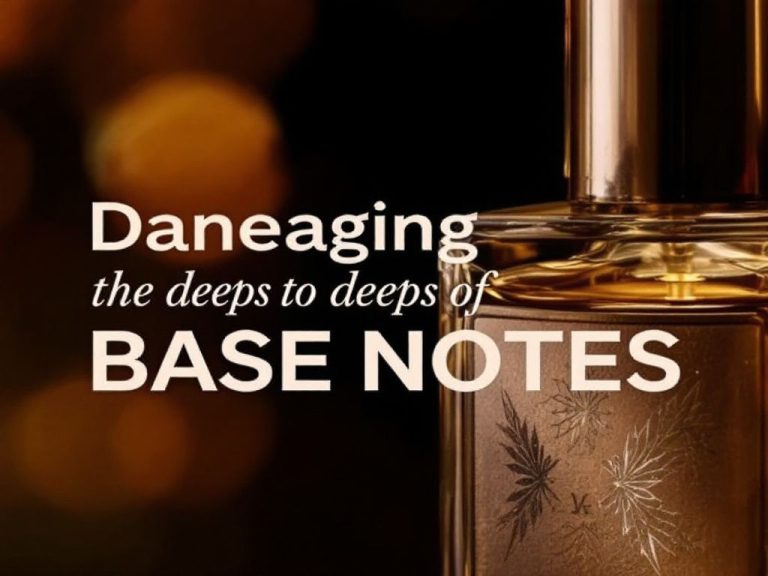
Perfume base notes provide staying power to a fragrance, grounding the more volatile top and middle notes. They develop and evolve uniquely with your body chemistry, often leading you into olfactory depths you hadn’t noticed at first spritz. Understanding perfume notes, particularly base notes, allows you to appreciate the beautiful effort that goes into each bottle.

Read More
fragrance psychology

The Power of Fragrance Psychology: Unlocking Emotions and Behaviors

Ever walk into a room and suddenly be taken back to a distant memory, all thanks to a certain smell? That’s not just you having a strong imagination—it’s the profound impact of fragrance psychology. This discipline dives deep into how scents affect our feelings, attitudes, and even behaviors through fragrance psychology. The olfactory bulb, where smell is first processed in the brain, sends signals straight to the amygdala and hippocampus, the brain areas that handle emotion and memory, highlighting the importance of fragrance psychology.

Read More
perfume composition

Understanding Perfume Volatility: The Secret Science Behind Scents

Welcome to the intricate world of perfume composition and the volatile laws of scent science. Perfume composition isn’t just art; it’s pure chemistry, built on layers, much like an enigmatic story that unfolds slowly. These layers are composed of different notes—top, middle, and base—which contain a unique set of molecules each lending their tale based on how quickly they evaporate, or in chemistry speak, how volatile these molecules are.

Read More
fragrance notes in perfumes

The Science of Fragrance Notes: An Educational Guide

Understanding fragrance notes in perfumes is like possessing a secret key to an enchanting world of olfactory experiences, where certain perfumes make your heart sing while others might just give you a headache, and the science behind fragrance notes in perfumes can help you navigate this world.

Read More