Psychology of Scents

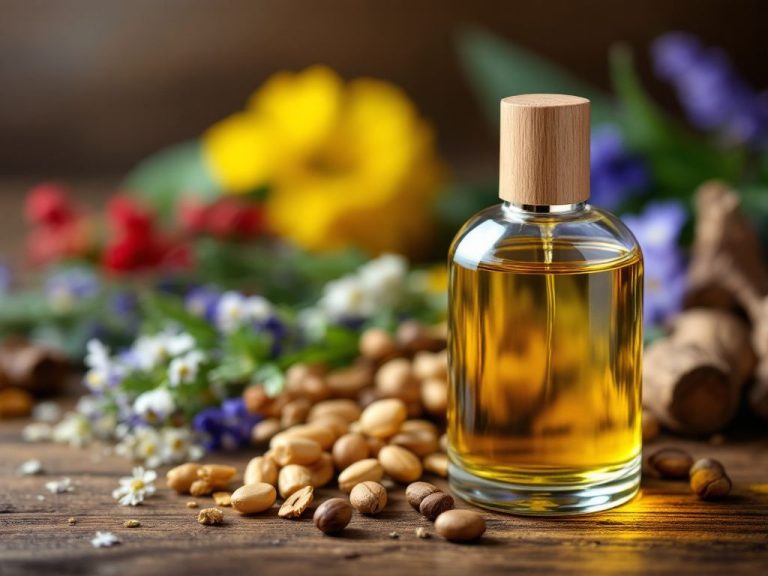
natural perfume oil

Unveiling the Art of Natural Perfume Oil Extraction: An Informal Exploration

Natural perfume oils are crafted using various extraction methods, each yielding a unique fragrance experience. From steam distillation to CO2 extraction, understanding these methods enhances the value of your perfume shelf and reveals the magic behind natural perfume oil. Discover the art of natural perfume oil extraction and elevate your scent experience with this newfound knowledge.

Read More
perfume composition

The Art and Science of Volatility in Perfume Composition

The art and science of perfume composition lies in the balance between chemistry and artistry, with fragrance components evaporating at different rates. Perfume volatility refers to how quickly various fragrance components evaporate, with each note in a perfume containing a blend of compounds with its own evaporation rate. Understanding perfume volatility enables you to appreciate perfumes better and curate your aromatic experience with finesse.

Read More
summery perfumes

Summer Perfumes: Temperature Impact Study

Discover why your favorite fragrance seems to change as the mercury rises and learn how to choose the right summery perfumes for the season. The way temperature impacts our favorite summery perfumes is a complex phenomenon that involves the science of fragrance composition and evaporation.

Read More
artificial scents

Natural vs Artificial Scents

The debate between natural and artificial scents has been a longstanding one, with each having its own set of benefits and drawbacks. Natural scents, derived from plants and essential oils, offer a unique and eco-friendly alternative, while artificial scents, crafted in labs, provide a wider range of options and longer-lasting fragrances. Understanding the science behind both types of scents can help individuals make informed choices about the products they use and the impact they have on their well-being and the environment. {keyword} artificial scents are often used in everyday products, such as cleaning supplies and perfumes, due to their longevity and affordability. However, some studies have raised concerns about the potential health impacts of these scents, highlighting the importance of being mindful of the ingredients used in the products we choose.

Read More
fragrance chemical formula

Understanding Fragrance Chemical Formulas

Fragrance chemical formulas are a delicate dance of aromatic compounds, carefully crafted to create that perfect scent. By understanding the chemistry behind fragrance, we can unlock the secrets of scents and even create our own bespoke signature scents. With fragrance chemical formulas, the possibilities are endless, and the art of perfumery becomes a science that’s both fun and engaging. Whether you’re a seasoned perfumer or just a scent enthusiast, fragrance chemical formulas offer a world of creative possibilities.

Read More
fragrance vs essential oil

Essential Oils vs Fragrance: Complete Analysis

Fragrance vs essential oil – a complete analysis. Understand the difference between fragrance and essential oil, and learn how to choose the right one for your needs. Discover the benefits and pitfalls of each, and how to harness their power for a personalized experience.

Read More
how is perfume made

How Perfume is Made: Manufacturing Science

Ever wondered, ‘How is this perfume made?’ It’s not just mixing pretty scents together, but a fascinating scientific process. Welcome to the fragrant world of perfume manufacturing! This guide walks you through every intoxicating detail, balancing the art and science of creating those alluring scents we adore. Perfume manufacturing today relies on a combination of natural and synthetic materials, sophisticated distillation processes, and the keen senses of experienced perfumers.

Read More
what are synthetics

What Are Synthetics? A Scientific Guide

Synthetics are products made through chemical synthesis, manufactured in labs rather than directly derived from natural sources. They offer unique advantages like consistency, durability, and cost-effectiveness. {keyword} are all over, from clothing and fragrances to food ingredients and medications. Understanding {keyword} can change how you see a ton of everyday things.

Read More
spring fragrances

Spring Fragrances: Chemical Composition Guide

As spring arrives, our fragrance collection deserves a revamp with lighter and fresher scents that complement the change in climate. Spring fragrances are characterized by sprightly florals, zesty citruses, and green notes that effectively match the mood and temperature. {keyword} often feature a delicate cocktail of different fragrance notes, including top notes, heart notes, and base notes. In {keyword}, common compounds used include linalool, geraniol, and limonene, which contribute to a floral-citrus aroma.

Read More
natural scents

Embracing Natural Scents in Modern Perfumery: A Scent-sational Journey

Natural scents captivate us, and there’s science behind it. They can impact mood, alertness, and even stress. Natural scents fulfill our desire for genuine connections with nature, offering raw, unspoiled olfactory pleasure. {keyword} are acquired through essential oils, absolutes, and resins, which preserve their integrity and make them a perfume favorite.

Read More